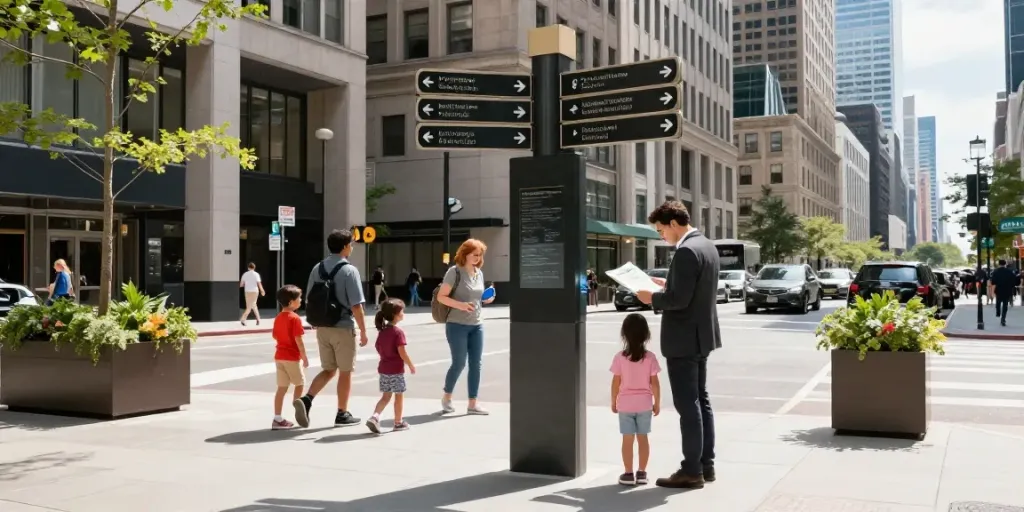
Understanding Wayfinding Totem Signs
Wayfinding totem signs are integral tools in guiding individuals through complex environments. They serve both functional and aesthetic purposes, helping people navigate spaces such as parks, campuses, urban areas, and large facilities. These structures can enhance the user experience by providing clear, informative, and accessible directional cues. In considering the implementation of wayfinding totem signs, resources such as wayfinding totem signs can offer comprehensive insights into design and placement strategies.
What Are Wayfinding Totem Signs?
Wayfinding totem signs are multi-faced signs that provide directional information and landmarks to organizations and the public. They can vary in height and design, often tailored to fit the aesthetics of their surroundings while fulfilling practical navigation needs. Typically installed at key junctions, entrances, or transitions, these signs are designed to assist pedestrians in locating services, paths, or facilities efficiently.
The Importance of Effective Signage
Effective signage is paramount in enhancing user experience and safety. Clear wayfinding reduces confusion, minimizes frustration, and leads to more efficient navigation through spaces. In an increasingly urbanized world, where individuals encounter unfamiliar environments, the presence of intuitive signage can significantly improve accessibility and overall satisfaction.
Types of Wayfinding Totem Signs
There are several types of wayfinding totem signs, each serving different purposes:
- Directional Totem Signs: These signs provide arrows and distance indicators to direct users to specific locations.
- Informational Totem Signs: Designed to inform users about services, history, or cultural significance, these signs often include maps and detailed descriptions.
- Regulatory Totem Signs: These enforce rules and regulations, guiding behavior in public spaces (e.g., no smoking areas).
- Artistic Totem Signs: Combining functionality with art, these signs enhance the aesthetic appeal of the environment while providing critical navigation aids.
Design Considerations for Wayfinding Totem Signs
Designing wayfinding totem signs requires careful consideration of various factors to ensure both functionality and aesthetic appeal. Here are the primary aspects to consider:
Materials and Durability
The choice of materials is crucial for the longevity and effectiveness of wayfinding totem signs. Commonly used materials include:
- Metal: Offers durability and a modern aesthetic, suitable for urban settings.
- Wood: Provides a natural look, blending well with outdoor environments.
- Acrylic: Lightweight and versatile, ideal for colorful designs and intricate shapes.
- Concrete: Gives a robust and permanent solution for high-traffic areas.
When selecting materials, consider environmental factors such as weathering, UV exposure, and vandalism resistance. The materials should not only be durable but also easy to maintain and clean.
Visual Design Principles
Visual design plays a pivotal role in the effectiveness of wayfinding totem signs. Key principles include:
- Color Theory: Utilize colors that stand out against their background while considering color blindness accessibility.
- Typography: Select fonts that are legible from a distance and at various angles.
- Iconography: Employ universally understood icons to convey information quickly and clearly.
- Size and Scale: Ensure that signs are appropriately sized for their surroundings and viewing distance.
Adhering to these principles can significantly enhance the visibility and usability of totem signs.
Accessibility and User-Friendly Features
Accessibility is a critical consideration in the design of signage. Features to incorporate include:
- Braille and Tactile Information: Integrate Braille and raised lettering for visually impaired users.
- Clear Language: Use concise and straightforward language that is easy to understand.
- Height and Placement: Position signs at accessible heights for all users, including those in wheelchairs or using mobility aids.
These features ensure that all individuals can effectively interact with the signage, contributing to an inclusive environment.
Implementation of Wayfinding Totem Signs
The successful implementation of wayfinding totem signs involves several strategic steps, from site analysis to installation.
Site Analysis and Placement Strategies
Conducting a thorough site analysis is essential for identifying optimal locations for totem signs. Factors to consider include:
- Traffic Flow: Analyze pedestrian and vehicular traffic patterns to determine where signs will be most beneficial.
- Key Decision Points: Identify locations where users require information to choose their paths.
- Visibility: Ensure signs are placed at heights and locations where they are easily seen without obstruction.
Engaging with community stakeholders during this phase can also provide valuable insights into user needs and preferences.
Integrating with Urban Infrastructure
Integrating totem signage with existing urban infrastructure can enhance both functionality and aesthetics. Collaborating with urban planners and architects can ensure that signs are harmoniously woven into the environment, reinforcing the overall design concept of the area.
Step-by-Step Installation Process
The installation of wayfinding totem signs should follow a systematic approach:
- Site Preparation: Ensure the site is clear, level, and ready for installation.
- Foundation Setting: Construct a solid foundation based on the sign's material and size.
- Sign Assembly: Assemble the totem as per manufacturer specifications.
- Final Placement: Securely install the sign and verify its stability and accuracy.
- Post-Installation Inspection: Conduct a thorough check to ensure the sign meets design specifications and is functioning as intended.
Adhering to these steps can help avoid common pitfalls in installation and ensure the durability of the signs.
Best Practices and Challenges
While implementing wayfinding totem signs, it is essential to be aware of potential challenges and best practices to overcome them.
Common Pitfalls in Wayfinding Design
Typical mistakes in wayfinding design include:
- Overloading Information: Providing too much information can confuse users.
- Poor Visibility: Failing to consider the sightlines can lead to signs being overlooked.
- Lack of Consistency: Inconsistency in design can create confusion and diminish user trust in the signage.
Strategies for Overcoming Design Challenges
To counteract potential design pitfalls, consider the following strategies:
- User Testing: Conduct tests with real users to gather feedback on sign visibility and clarity.
- Iterative Design: Allow for adjustments and improvements based on user experience feedback.
- Standardization: Establish guidelines for all signage elements to maintain consistency across the project.
Case Studies of Successful Implementations
Examining successful projects can provide valuable insights into effective strategies for wayfinding totem signs. For instance, the integration of totem signs in the New York City parks system has improved navigation significantly, demonstrating the impact of clear, attractive signage on user experiences.
Future Trends in Wayfinding Signage
The realm of wayfinding signage is rapidly evolving, driven by technological advancements and changing user needs.
Technological Innovations in Wayfinding
With the rise of smart cities, integrating technology into wayfinding can enhance user experiences. Innovations such as:
- QR Codes: Allow users to access real-time information through mobile devices.
- Interactive Displays: Provide users with updated maps and navigation options.
- Augmented Reality (AR): Enhances the physical environment with digital overlays, guiding users in an engaging manner.
Environmental Sustainability in Signage Design
Sustainability is becoming a critical factor in signage design. Using eco-friendly materials and sustainable manufacturing practices can not only reduce environmental impact but also appeal to environmentally conscious users.
Projected Trends for 2026 and Beyond
As we look toward 2026 and beyond, the demand for wayfinding totem signs that reflect local culture, utilize digital technology, and enhance accessibility will grow. Customization and personalization of signs to cater to diverse user needs will also become increasingly prevalent.